The Fascinating Connection Between August and Elk Antlers
August marks a unique time in the natural world, especially when it comes to elk and their impressive antlers. This month plays a crucial role in the life cycle of elk, influencing the growth, shedding, and preparation of their antlers for the upcoming seasons. Understanding this connection offers insight into wildlife behavior, ecology, and even the cultural significance of elk antlers.
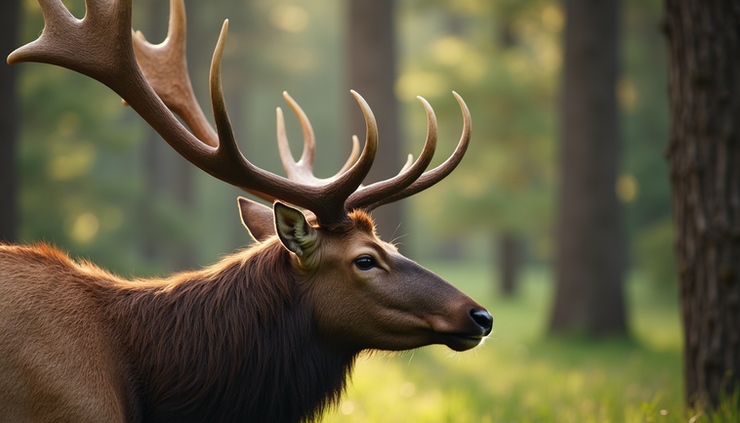
Why August Matters for Elk Antlers
Elk antlers are among the fastest-growing bones in the animal kingdom. Each year, male elk grow a new set of antlers that can reach impressive sizes. August is a pivotal month in this process because it represents the peak of antler growth before the velvet begins to shed.
During August, elk antlers are still covered in velvet, a soft, blood-rich tissue that supplies nutrients and oxygen to the growing bone. This velvet is essential for the rapid development of antlers, which can grow up to an inch per day. By the end of August, the antlers are nearly fully grown, and the elk prepare to shed the velvet in the coming weeks.
The Biology Behind Antler Growth
Antlers grow from pedicles on the elk’s skull and are made of bone. Unlike horns, which are permanent, antlers are shed and regrown annually. The growth cycle is closely tied to hormonal changes influenced by daylight length and nutrition.
Growth Phase: Begins in spring and continues through August. Antlers grow covered in velvet.
Hardening Phase: Starts late August to early September. Blood supply to velvet decreases, causing it to dry and peel off.
Shedding Phase: After the mating season, usually in late winter, elk shed their antlers.
August is the transition point between the growth and hardening phases. The antlers reach their full size, and the elk’s body starts preparing for the velvet to fall off.
Environmental Factors Affecting Antler Development in August
Several environmental factors influence how elk antlers develop during August:
Nutrition: Elk need a diet rich in protein, calcium, and phosphorus to support antler growth. In August, elk often feed on lush grasses and shrubs that provide these nutrients.
Weather: Warm temperatures and longer daylight hours in August promote growth. Sudden cold snaps or drought can slow antler development.
Habitat: Elk in areas with abundant food and minimal stress tend to grow larger antlers.
For example, elk in mountainous regions with rich vegetation often develop more massive antlers compared to those in harsher environments.
The Role of Antlers in Elk Behavior During August
While antlers are still in velvet during August, they are vulnerable to damage. Elk tend to avoid aggressive behavior during this time to protect their growing antlers. However, they also use this period to establish dominance hierarchies through non-contact displays.
As August progresses, elk begin to prepare for the rut (mating season), which peaks in September and October. The size and condition of antlers play a significant role in attracting mates and deterring rivals. Healthy antlers signal strength and genetic fitness to females.
Cultural and Ecological Importance of Elk Antlers
Elk antlers have fascinated humans for centuries. They hold cultural significance for many Indigenous peoples and are often used in art, tools, and ceremonies. Understanding the timing of antler growth, especially in August, helps hunters, wildlife managers, and conservationists make informed decisions.
Ecologically, antlers contribute to nutrient cycling. After shedding, antlers decompose and return minerals to the soil, supporting plant growth and the broader ecosystem.
Practical Tips for Observing Elk Antlers in August
If you want to observe elk antlers during August, here are some tips:
Timing: Early to mid-August is ideal to see antlers in velvet.
Location: Look for elk in open meadows or forest edges where they feed.
Distance: Use binoculars or a zoom lens to avoid disturbing the animals.
Safety: Elk can be unpredictable, especially as they prepare for the rut. Keep a safe distance.
Observing elk during this time offers a rare glimpse into a critical phase of their life cycle.
How Climate Change Could Affect August Antler Growth
Climate change poses challenges for elk and their antler growth cycle. Changes in temperature, precipitation, and plant growth patterns can affect the availability of nutrients during August. For instance:
Earlier Springs: May shift the timing of antler growth.
Droughts: Can reduce food quality and quantity.
Warmer Winters: Could alter the timing of antler shedding.
Scientists are studying these impacts to understand how elk populations might adapt or struggle in changing environments.
Summary of the August and Elk Antlers Connection
August is a key month for elk antlers, marking the near completion of their rapid growth under velvet. This period sets the stage for the hardening of antlers and the upcoming mating season. Environmental factors like nutrition and weather play a vital role in this process, influencing antler size and quality.
For wildlife enthusiasts and researchers, August offers a unique opportunity to witness the biology and behavior of elk in a critical phase. Protecting elk habitats and understanding their life cycles helps ensure these majestic animals continue to thrive.
If you want to learn more about elk or plan a wildlife trip, consider visiting national parks or reserves where elk populations are healthy and accessible. Watching elk antlers develop in August is a remarkable experience that connects us to the rhythms of nature.


Comments