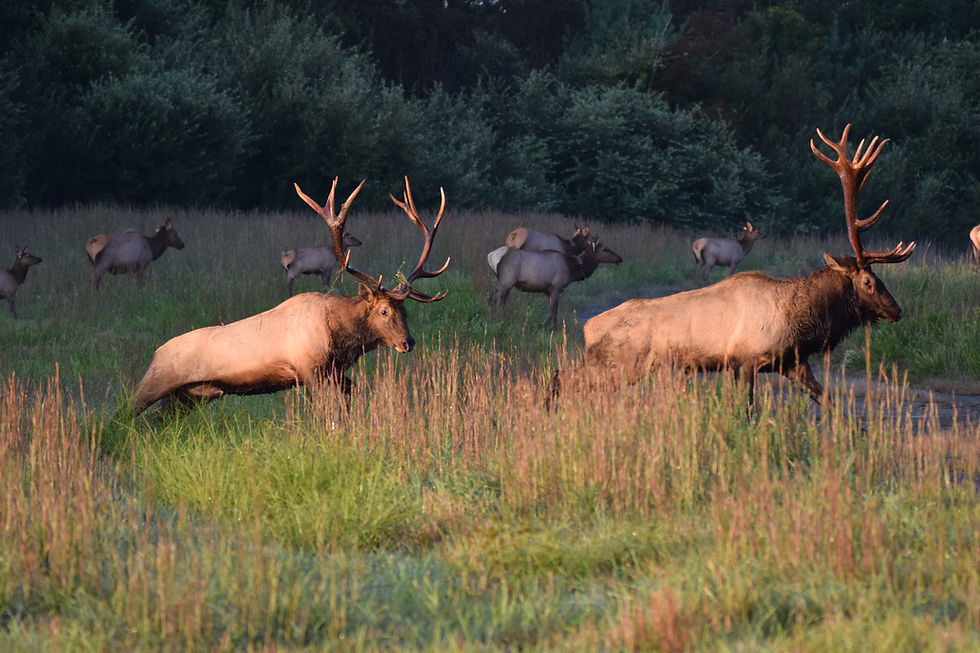
Restoring the Roam
After vanishing from Virginia's mountains for more than a century, elk once again roam the forests of Southwest Virginia. Together with our conservation partners, we're helping protect habitat, educate future stewards, and ensure the bugle of the elk continues to echo through these mountains for generations to come.

Spring 2012
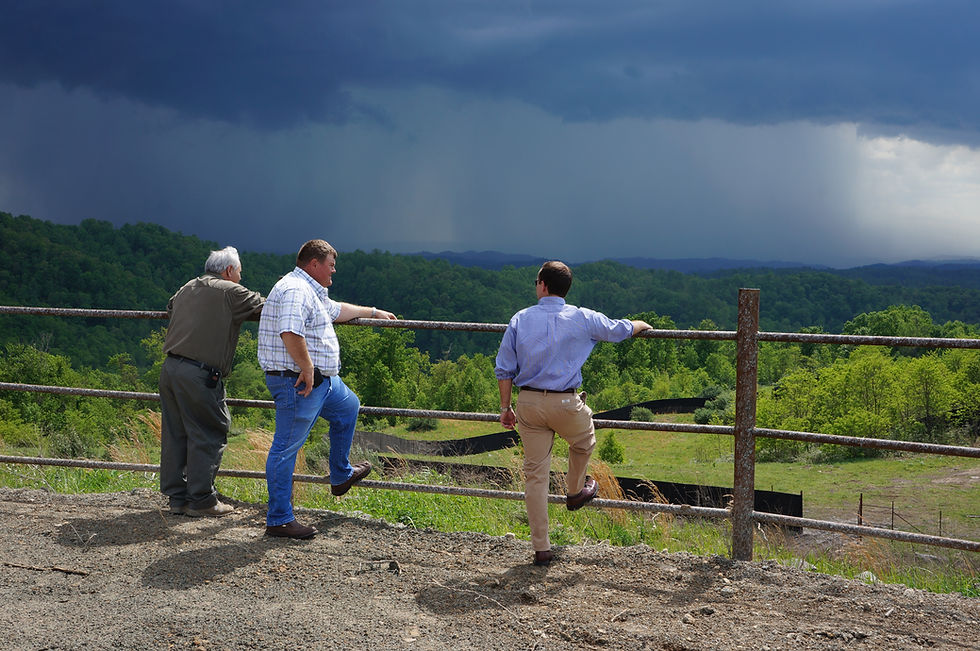
Conservation partners overlook the future restoration area in Buchanan County—just weeks before the first elk would return to Virginia's mountains.
spring 2012
A Vision Takes Root
After more than 150 years without a native elk population, Virginia's mountains stood on the brink of one of the Commonwealth's greatest wildlife restoration successes.
In 2012, conservation partners, the Virginia Department of Wildlife Resources, local landowners, volunteers, and community leaders came together with a shared vision—to return elk to the mountains of Southwest Virginia.
Standing here, overlooking what would soon become the restoration area, they were looking toward something few thought possible: the successful return of a native species that had been absent for generations.
Standing on this overlook, few could imagine that within weeks, elk would once again roam these mountains. Everything was ready. One of the Commonwealth's greatest wildlife restoration stories was about to begin.
MAY 2012
The Journey Begins
Months of planning became reality as the first elk transport trailers crossed into Buchanan County, carrying the animals that would restore a species absent from Virginia for more than a century.
The arrival of the elk marked the beginning of one of Virginia's most ambitious wildlife restoration efforts. Wildlife biologists, veterinarians, conservation partners, volunteers, and local landowners worked side by side to ensure every animal completed the journey safely from Kentucky.
Rather than being released immediately, the elk entered specially constructed acclimation pens where they could recover from transport, receive health evaluations, and gradually adjust to their new surroundings. Every step reflected years of scientific planning and an unwavering commitment to giving the herd the best possible chance to thrive.
Behind the wooden walls of the holding facility, history quietly unfolded. Few people witnessed these first moments, but Virginia's future elk herd had officially arrived. The mountains were waiting.
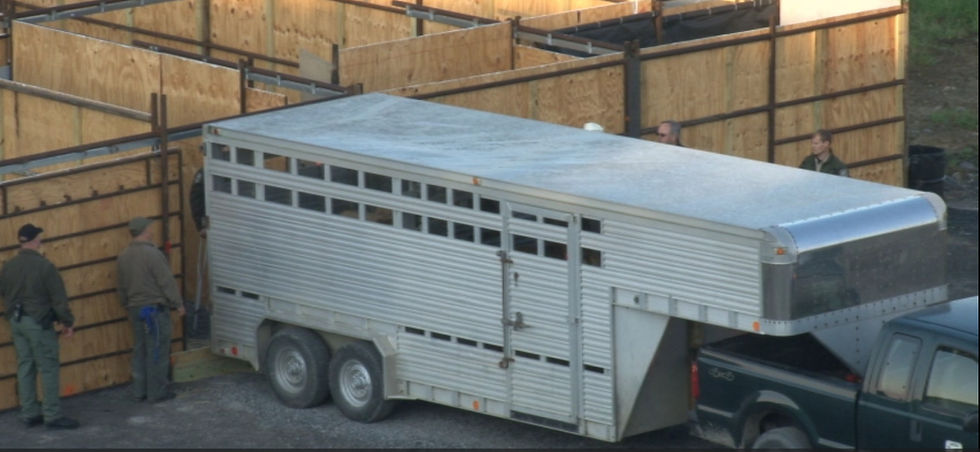
May 2012 — The first elk transport trailers arrive at the Buchanan County restoration site, where specially constructed acclimation pens prepared the animals for their historic return to Virginia's mountains.
A Commonwealth Watches
MAY 2012
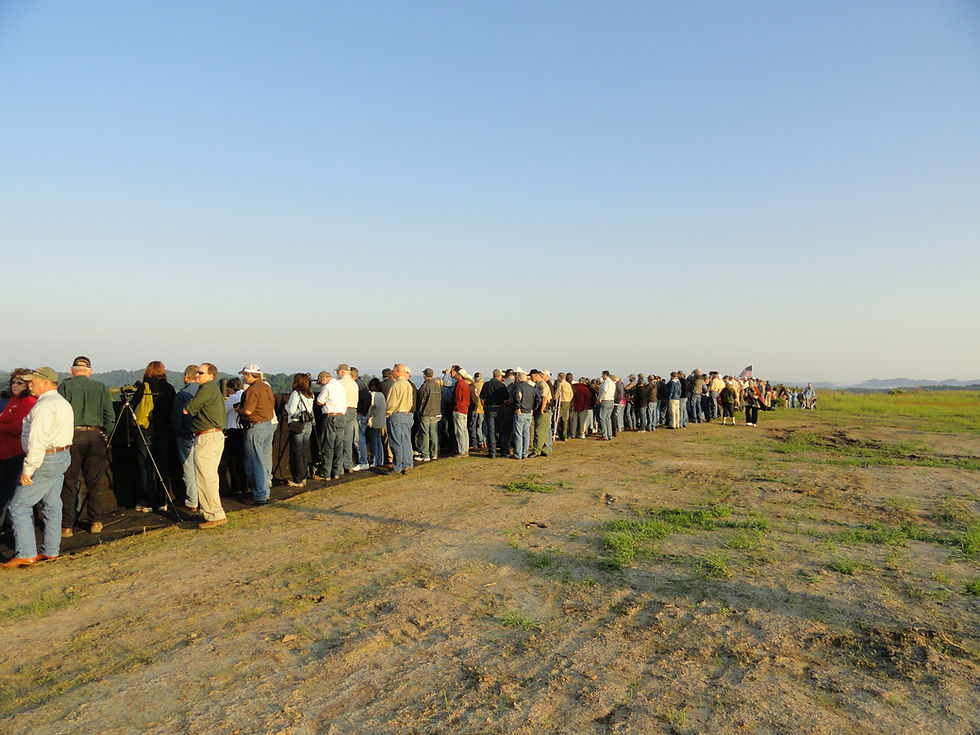
Hundreds of Virginians gathered before sunrise in Buchanan County to witness something no living generation had ever seen—the return of wild elk to Virginia's mountains.
Families, conservationists, photographers, wildlife enthusiasts, elected officials, and community leaders lined the overlooks in quiet anticipation. Cameras were ready, conversations were hushed, and every eye remained fixed on the release area below.
May 2012 — Before sunrise, hundreds gathered in Buchanan County to witness the historic return of elk to Virginia's mountains.
Many had followed the restoration effort for years. Others simply wanted to witness history. Regardless of why they came, everyone understood they were about to see a moment that would forever change Virginia's wildlife story.
As the morning sun climbed above the Appalachian ridges, anticipation grew with every passing minute. The gates had not yet opened, but everyone understood they were standing on the edge of history.
Summer 2012
The First Residents
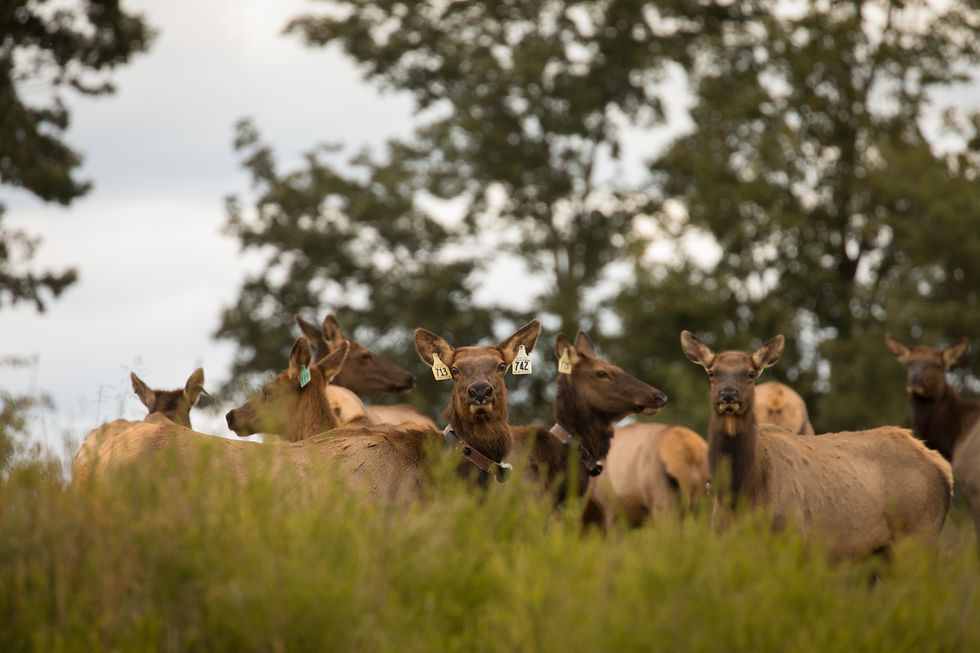
The first weeks after release answered the question everyone had been asking. The elk had survived the journey, adapted to their new surroundings, and were beginning to settle into Virginia's mountains once again.
Biologists closely monitored every animal using radio collars, documenting movement, feeding behavior, and overall health. Each observation confirmed what years of planning had hoped to achieve—the herd was finding food, exploring its new home, and behaving like wild elk once again.
The reclaimed mine lands proved to be ideal habitat. Open grasslands, clean water, and nearby forests provided everything the animals needed to recover from transport and begin establishing home ranges across Buchanan County.
Although the collars remained an important research tool, the elk themselves quickly became less like relocated animals and more like what they were always meant to be—wild residents of Virginia's landscape.
For the first time in generations, bugles echoed through Virginia's mountains once again. The restoration was no longer a vision—it was alive.
Summer 2012 — Radio-collared elk begin exploring their new home as biologists monitor the success of Virginia's historic restoration effort.
Fall 2012
Learning a New Land
The excitement of the release had faded, but the real work of restoration was only beginning. Every day the elk explored new valleys, streams, forests, and reclaimed grasslands, slowly transforming unfamiliar ground into home.
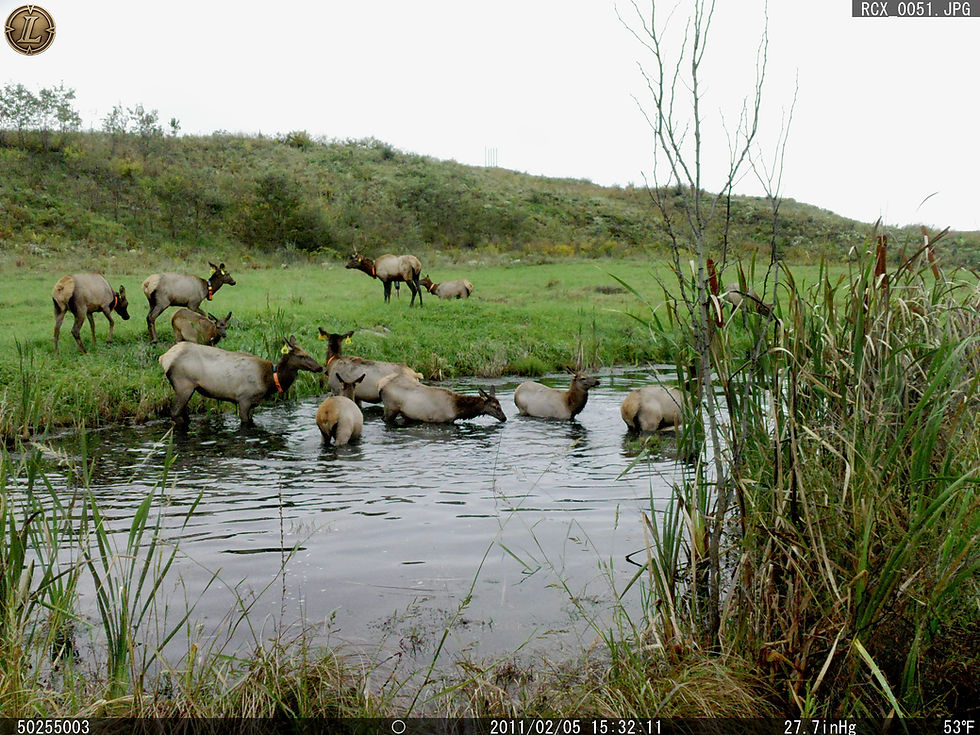
Through radio collars and remote trail cameras, wildlife biologists followed the movements of every animal. The herd expanded across reclaimed mine lands, discovering abundant forage, dependable water sources, and the shelter of surrounding Appalachian forests.
Fall 2012 — Trail cameras documented the elk adapting to reclaimed mine lands, confirming the herd was thriving in its new Appalachian home.
Each new trail camera photograph provided another piece of the story. The elk were feeding naturally, traveling together, establishing home ranges, and displaying the instincts that had disappeared from Virginia for more than a century.
Releasing the elk was only the beginning. The long-term success of the restoration depended on healthy habitat, careful science, and years of dedicated stewardship.
With each passing season, confidence grew. Virginia's elk were no longer visitors. They had become part of the landscape once again..
2013–2018
A Herd Takes Hold
The birth of Virginia's first wild-born calves marked the beginning of a new era. As each passing season brought more calves, stronger bulls, and expanding family groups, it became clear that the restoration was succeeding beyond expectations.
The elk were no longer simply surviving—they were thriving. Cow-calf groups became increasingly common throughout the restoration area, while mature bulls established territories and the annual rut once again echoed across the Appalachian Mountains.
Years of careful monitoring confirmed that the herd was healthy and growing. Reclaimed mine lands, forests, and mountain valleys provided abundant food, clean water, and the diverse habitat elk require throughout the year.
As the population expanded, so did public interest. Wildlife photographers, outdoor enthusiasts, and families traveled to Southwest Virginia hoping to witness one of the Commonwealth's greatest conservation success stories firsthand.
With every passing season, the herd grew stronger. What had once been an ambitious conservation effort had become one of Virginia's greatest wildlife success stories, proving that with vision, partnership, and perseverance, even a century-old loss could be restored.
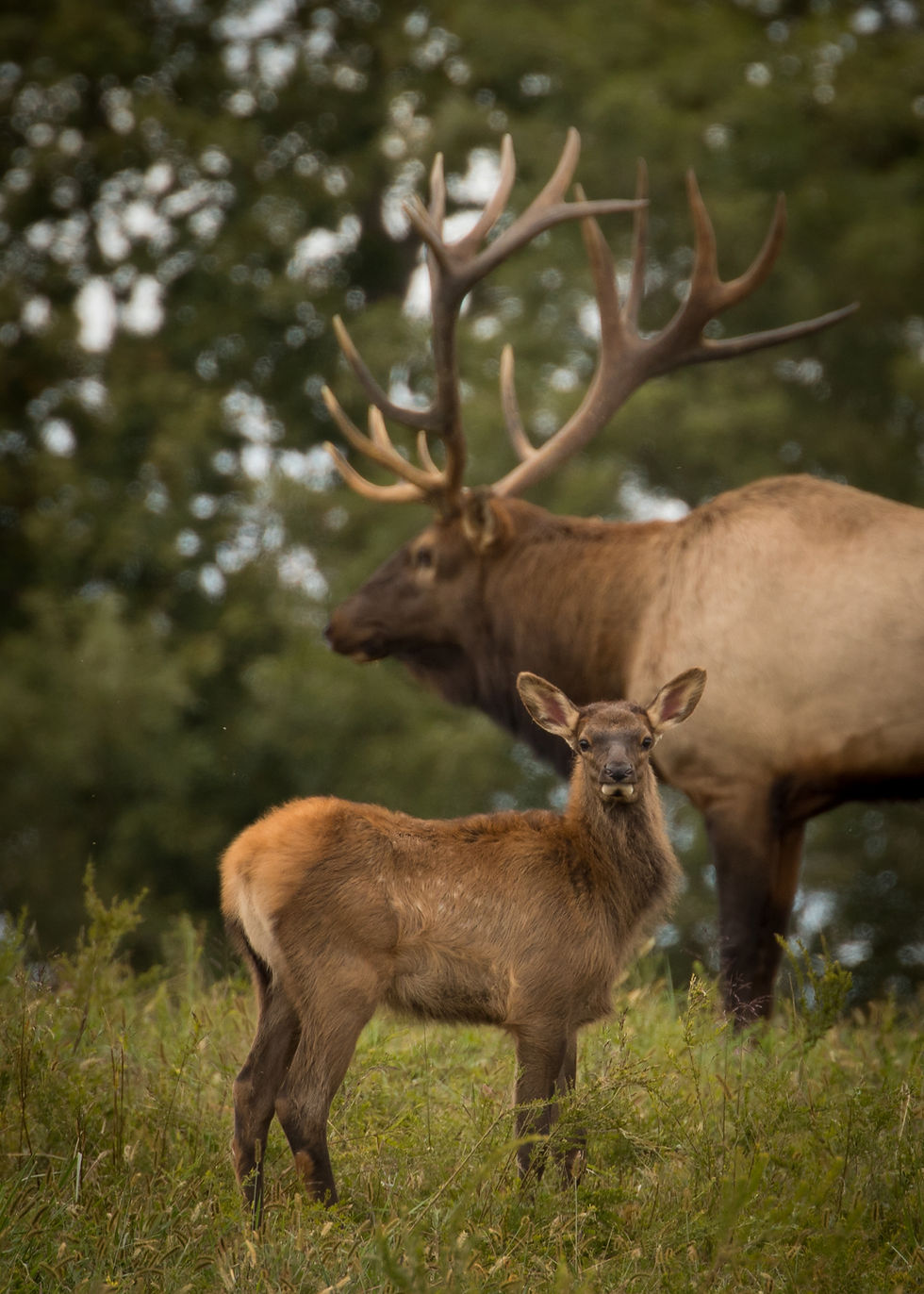
2013–2018 — Healthy family groups and expanding herds confirmed that elk had once again become a permanent part of Virginia's mountains.
The Story Continues...
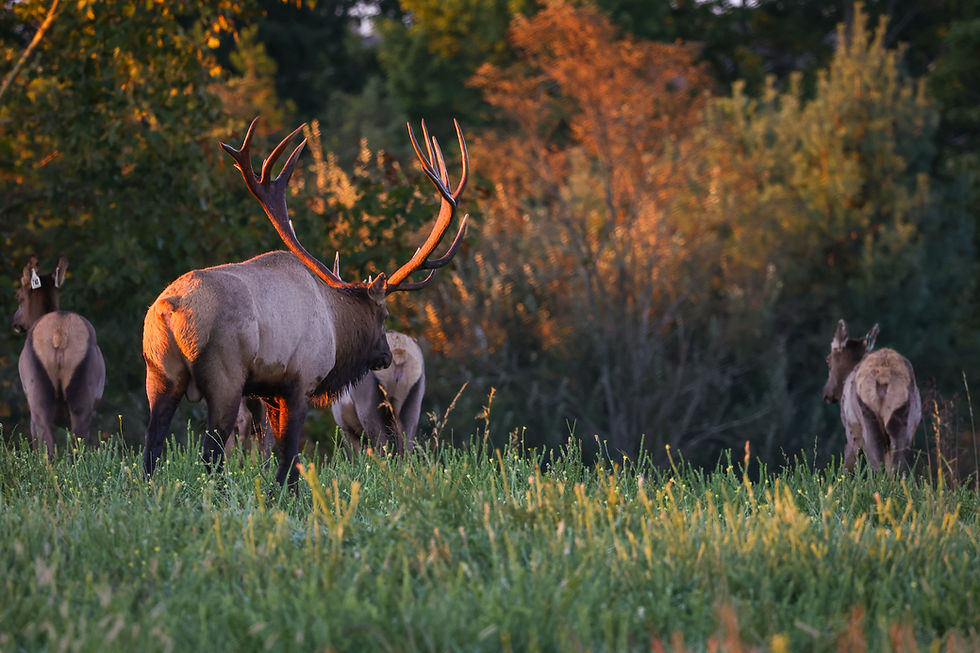
What began with a handful of elk crossing the state line has become one of Virginia's greatest conservation success stories. Today, the mountains of Southwest Virginia once again echo with bugling bulls, thriving cow-calf herds, and a restored landscape that inspires thousands of visitors every year.
The story isn't over. Every sunrise, every bugle, every new calf, and every visitor becomes part of Virginia's continuing wildlife legacy. We invite you to experience it for yourself.
Experience one of Virginia's greatest wildlife success stories for yourself.