
THE LEGACY OF PARTNERSHIPS
RESTORING VIRGINIA’S WILD HERITAGE
One dream. Countless hands. Still being written.
Virginia's elk did not return because of one organization. They came home because countless people chose to believe in something larger than themselves.
This is their story. And the legacy entrusted to all of us.

THE FIRST GALLERY
THE STORY BEGINS
Every legacy has a beginning.
Before the partnerships...
Before the habitat restoration...
Before volunteers gave their time...
Before wildlife professionals opened the gates...
Before elk once again walked the mountains of Southwest Virginia...
There was a story waiting to be rewritten.
This is where that story begins.
1855
THE MOUNTAINS GREW QUIET
For generations, elk were part of Virginia's forests and mountain landscapes. They moved through valleys, crossed mountain ridges, and helped shape the natural rhythm of the Appalachian wilderness. As settlement expanded and unregulated hunting increased during the eighteenth and nineteenth centuries, elk populations steadily declined. By 1855, the last known native elk in Virginia had disappeared. For more than a century, the sound of a bugling bull no longer echoed across these mountains. Few believed they would ever return.

American Elk (Cervus canadensis canadensis)
John James Audubon
Plate LXII from The Viviparous Quadrupeds of North America
1845–1847
This nineteenth-century illustration depicts the Eastern elk, the subspecies that once inhabited Virginia's Appalachian Mountains before disappearing from the Commonwealth by 1855.
Courtesy of the public-domain collection of John James Audubon's The Viviparous Quadrupeds of North America.
1917
THE FIRST JOURNEY HOME
More than sixty years after Virginia's native elk disappeared, conservation leaders began asking an important question: Could elk return to Virginia?
Beginning in 1917, elk were released into several areas of the Commonwealth in an effort to restore the species. These early restoration efforts reflected both optimism and determination. However, wildlife biology, habitat management, disease understanding, and long-term conservation practices were still developing.
The conditions needed to establish a self-sustaining herd had not yet come together. By the 1970s, the transplanted elk had disappeared. Although this first restoration effort did not establish a lasting herd, it demonstrated Virginia's commitment to restoring one of its most iconic native species. The knowledge gained during these early years would help shape the scientific approach that made modern restoration possible decades later.

The First Journey Home
In 1917, elk transported from Yellowstone National Park arrived in Virginia by railroad as part of the Commonwealth's first effort to restore elk. Although this early restoration did not establish a lasting herd, it marked the beginning of Virginia's century-long commitment to bringing elk back to its Appalachian mountains.
Historical Photograph Courtesy of the Virginia Department of Wildlife Resources (DWR) Archives.
Originally published by the Virginia Department of Wildlife Resources as part of its documented history of Virginia's elk restoration program.

1996
A QUESTION WORTH ASKING
By the mid-1990s, advances in wildlife biology and habitat management had created new possibilities for restoring elk to Virginia.Rather than asking whether elk simply could be brought back, conservation leaders wanted to know whether they should.In 1996, the Rocky Mountain Elk Foundation funded a scientific feasibility study to answer that question. Virginia Department of Game and Inland Fisheries (now the Virginia Department of Wildlife Resources) partnered with researchers at Virginia Tech to evaluate habitat, land use, wildlife management, and the long-term potential for restoring a healthy elk population.The future of elk in Virginia would not be determined by hope alone. It would be guided by science.

The Question That Changed Everything
The Virginia Elk Restoration Feasibility Study examined whether suitable habitat, wildlife management practices, and long-term conservation planning could support the successful return of elk to the Commonwealth. Its findings became the scientific foundation for Virginia's modern restoration program.
Virginia Elk Restoration Feasibility Study. Prepared by Virginia Tech in partnership with the Virginia Department of Game and Inland Fisheries, with funding provided by the Rocky Mountain Elk Foundation.

2000–2009
FROM RESEARCH TO REALITY
The feasibility study provided confidence that elk restoration could succeed—but the work was only beginning.During the years that followed, wildlife professionals evaluated habitat, developed management strategies, worked with landowners, and planned every stage of the restoration effort.Reclaimed surface mine lands in Buchanan County offered thousands of acres of open grasslands, forests, and natural travel corridors that could support a future elk herd.By combining scientific research with habitat restoration and strong partnerships, Virginia built a restoration plan designed for long-term success.When the time finally came to bring elk home, the foundation had already been carefully laid.

Building the Foundation
Years of habitat restoration, scientific planning, and collaboration between conservation partners transformed the recommendations of the feasibility study into a practical plan for restoring elk to Virginia.
Historical planning document, habitat photograph, or restoration archive courtesy of the original contributing organization. Source attribution should identify the Virginia Department of Wildlife Resources, the Rocky Mountain Elk Foundation, Virginia Tech, or another verified historical source, depending on the artifact displayed.
2012
THE GATES OPENED
In 2012, the first elk of Virginia's modern restoration program were released into the mountains of Buchanan County. Animals relocated from Kentucky stepped quietly into landscapes that had not supported wild elk for more than a century. Their arrival represented far more than the return of a single species. It marked the success of years of scientific planning, habitat restoration, and collaboration among wildlife professionals, conservation organizations, landowners, and local communities. After 157 years, elk once again belonged to Virginia.

The First Steps Home
In 2012, elk released into Buchanan County became the foundation of Virginia's modern elk herd. Their arrival marked the successful culmination of decades of planning and restored a species that had been absent from the Commonwealth since 1855.
TODAY
A HERD REBORN
The elk released in 2012 did more than survive—they began rebuilding a population that had been missing from Virginia for more than a century. Calves were born, herds expanded, and elk gradually reclaimed portions of their historic Appalachian range. Today, Southwest Virginia is once again home to a growing wild elk population. Careful wildlife management, habitat stewardship, scientific monitoring, and continued cooperation among conservation partners help ensure that Virginia's elk remain healthy for future generations. The return of elk is no longer a goal. It is a living legacy.

A Living Legacy
Virginia's restored elk herd continues to grow under the careful stewardship of wildlife professionals, conservation organizations, landowners, and local communities working together to ensure its long-term success.
A SHARED LEGACY
NO ONE BROUGHT THE ELK HOME ALONE
The return of elk to Virginia was never the achievement of a single agency, organization, or individual. Wildlife professionals, conservation organizations, researchers, landowners, volunteers, local communities, and dedicated supporters each contributed to a shared vision that spanned decades. Every acre of restored habitat, every scientific study, every public meeting, every volunteer project, and every successful elk release was made possible through cooperation and trust. Today, that spirit of partnership continues to guide the stewardship of Virginia's growing elk herd. The story of elk restoration is ultimately a story about people working together to restore something larger than themselves.


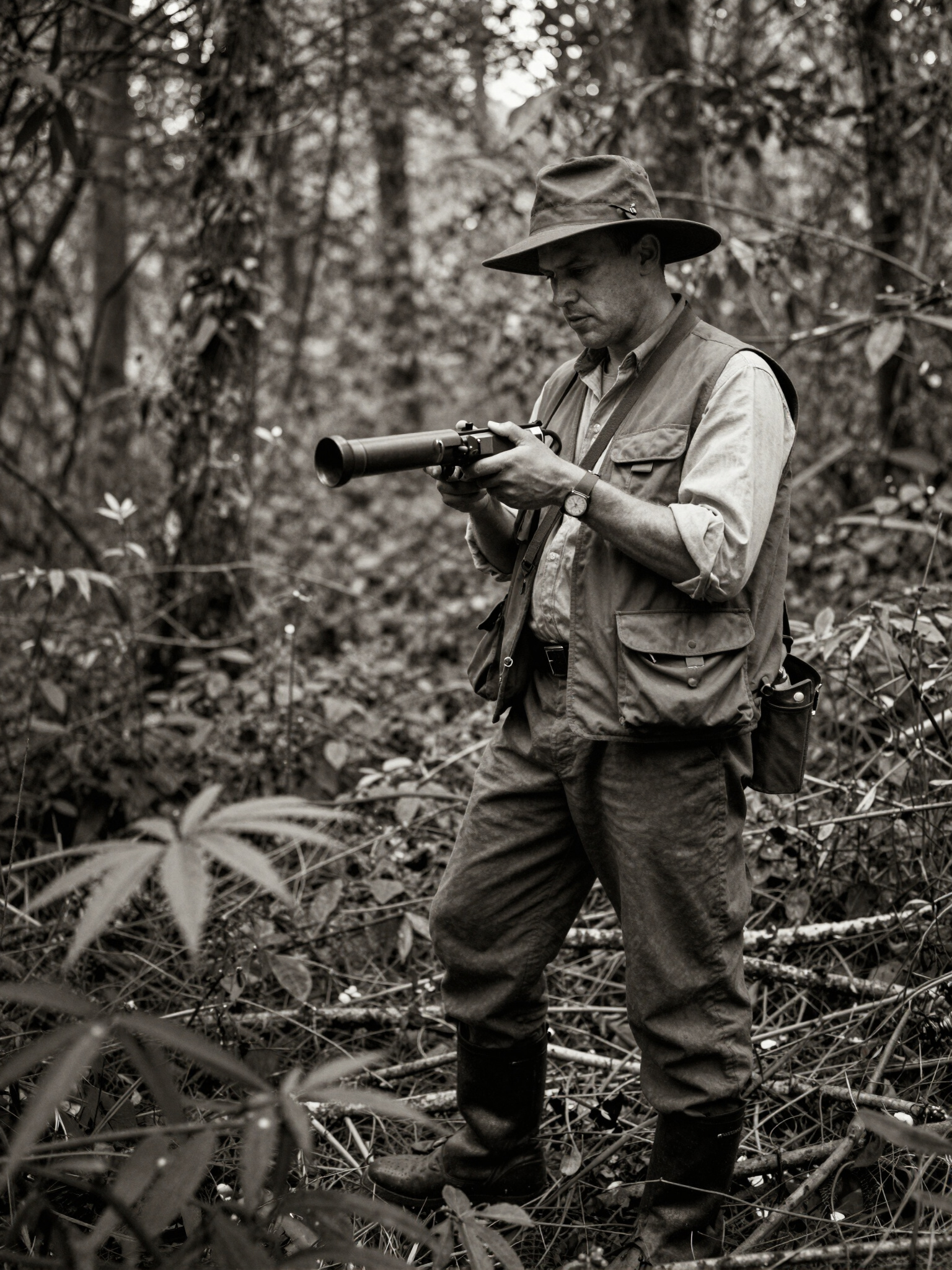
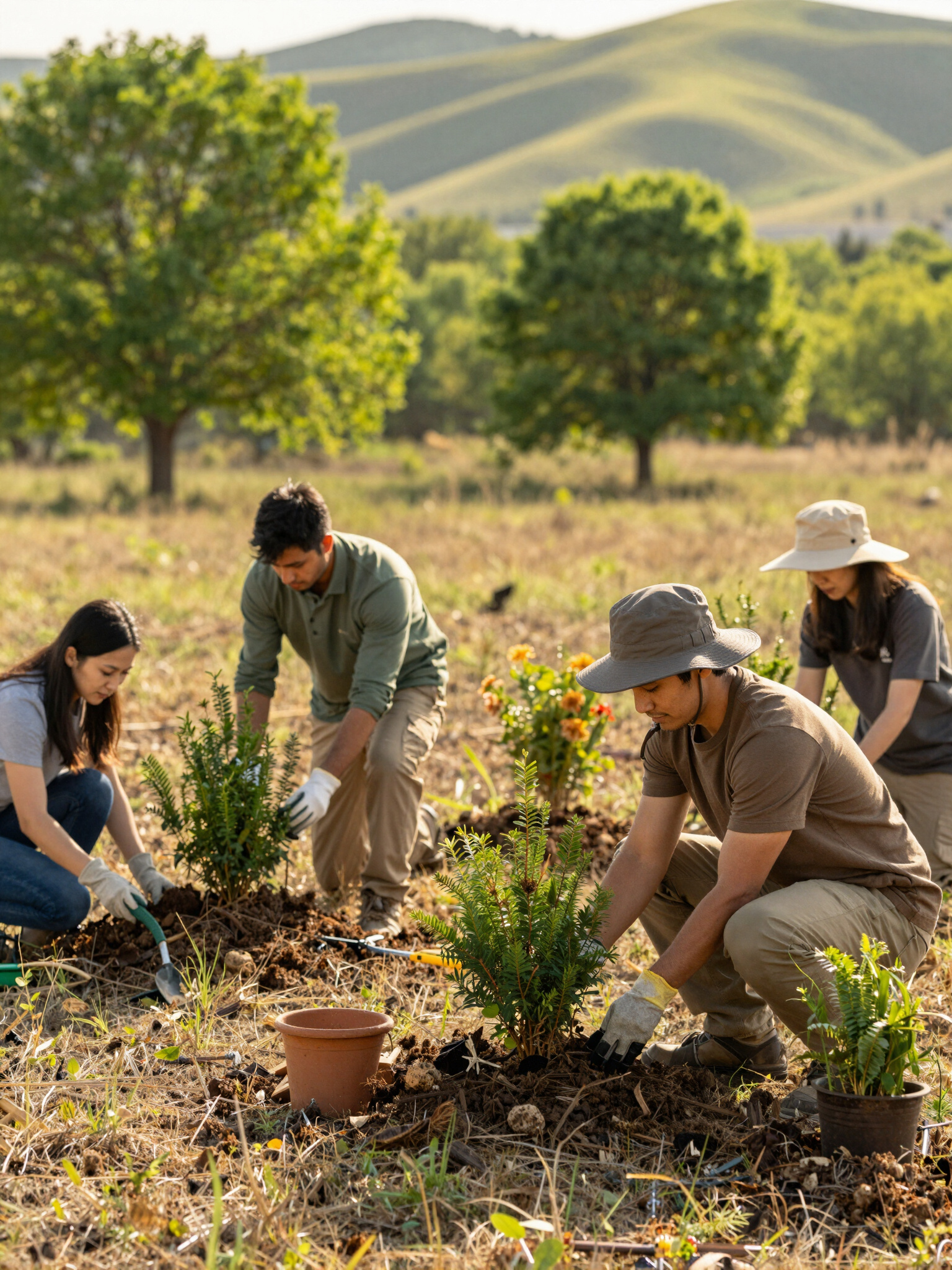
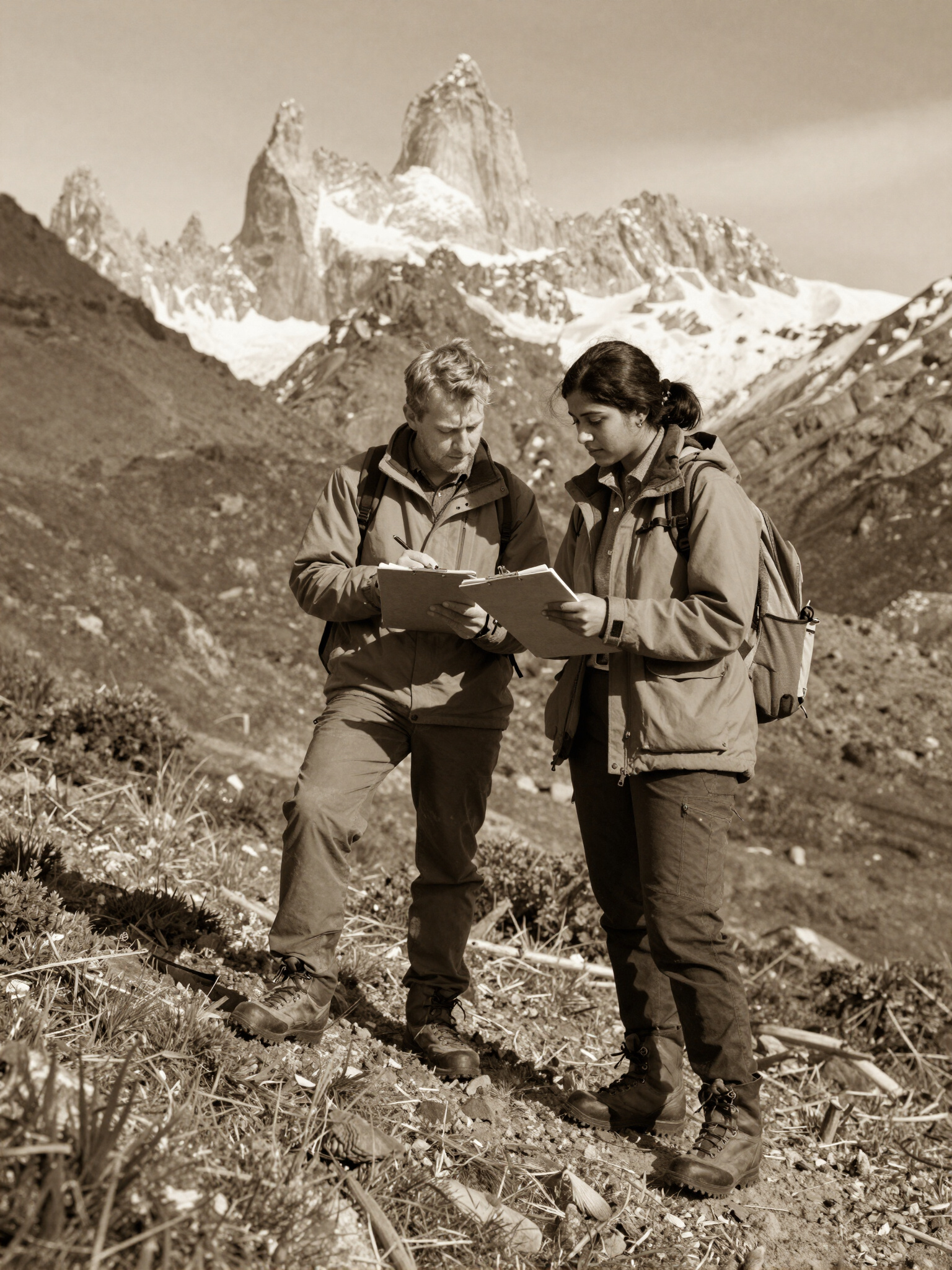
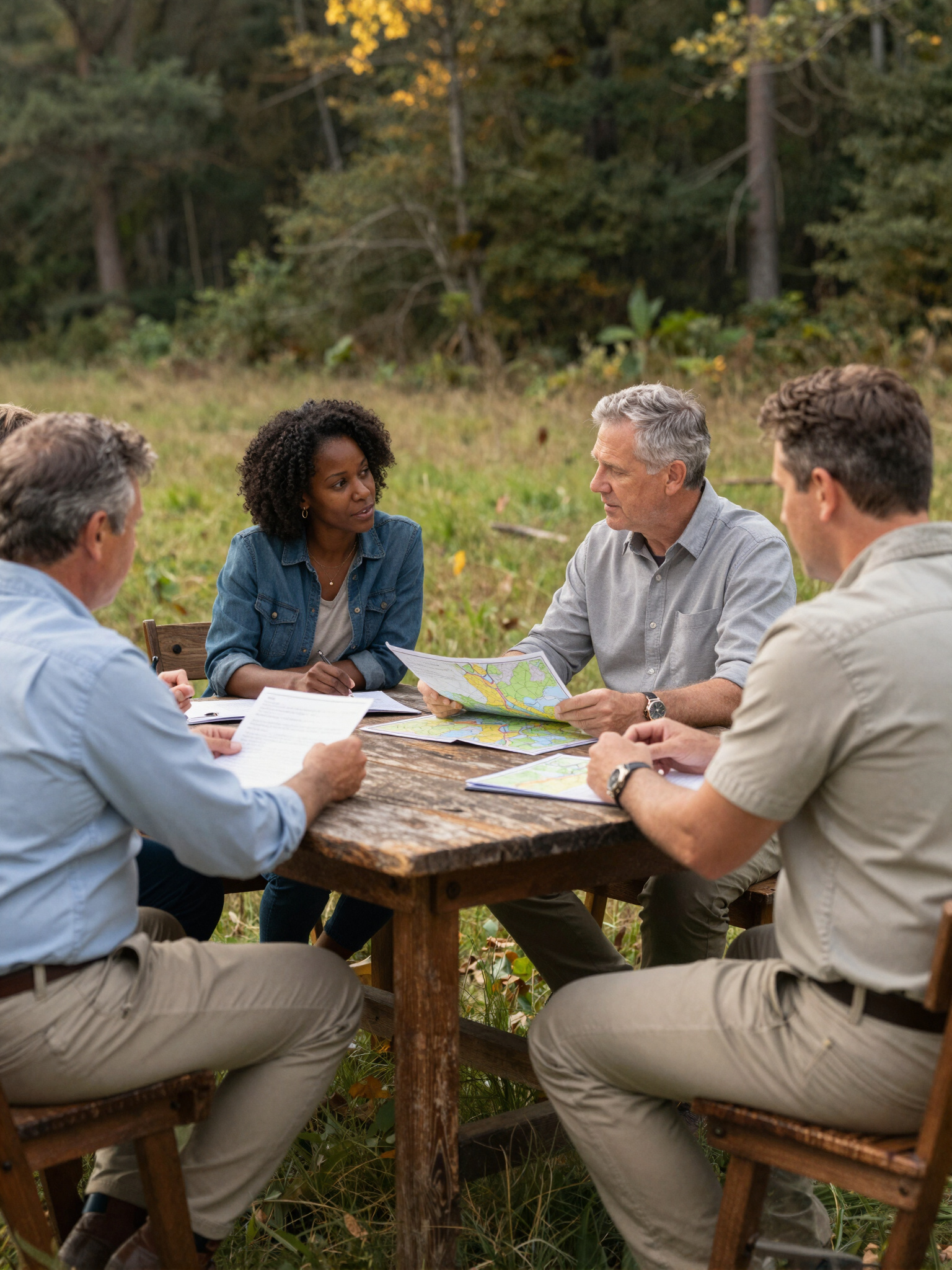
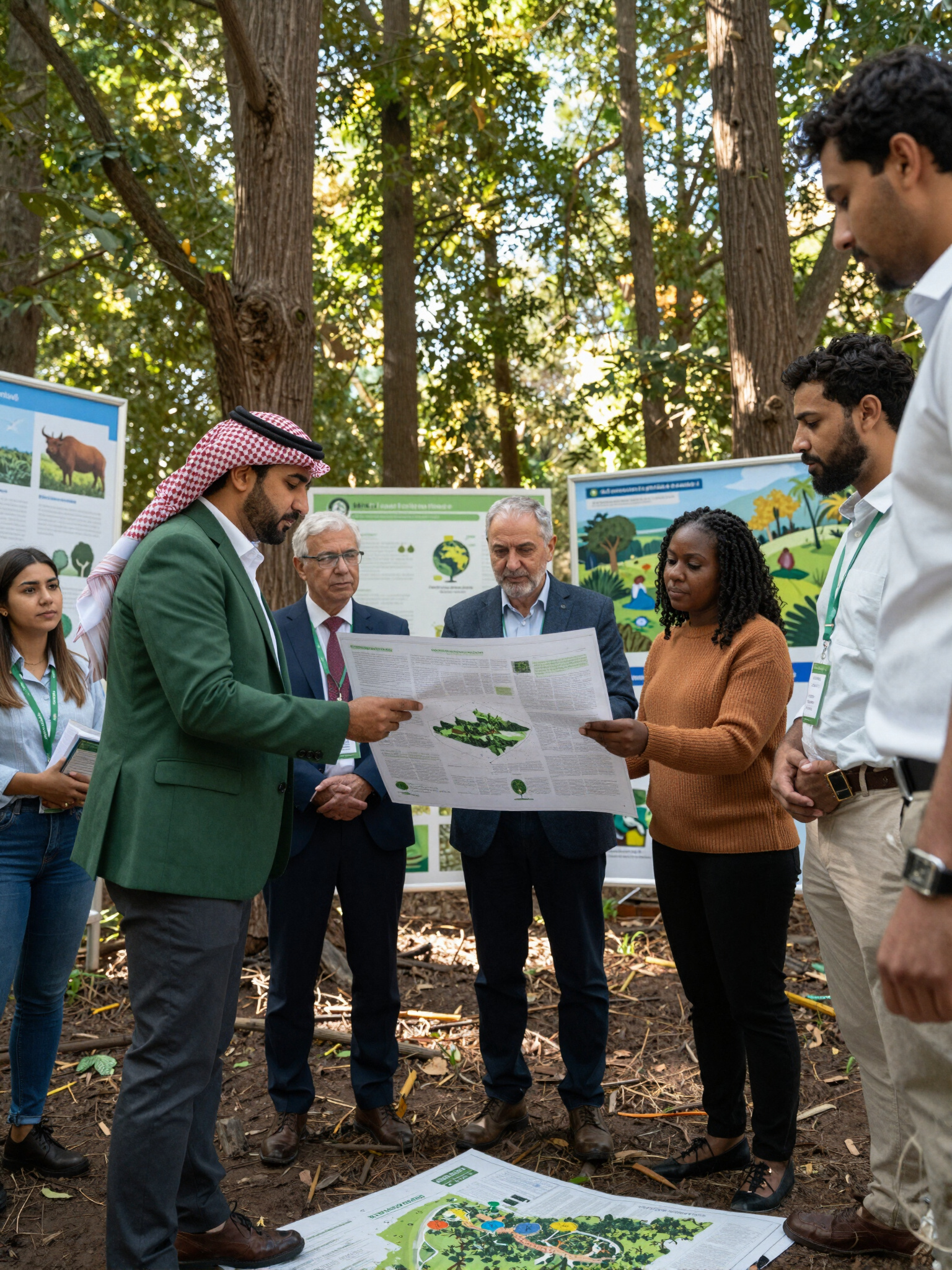
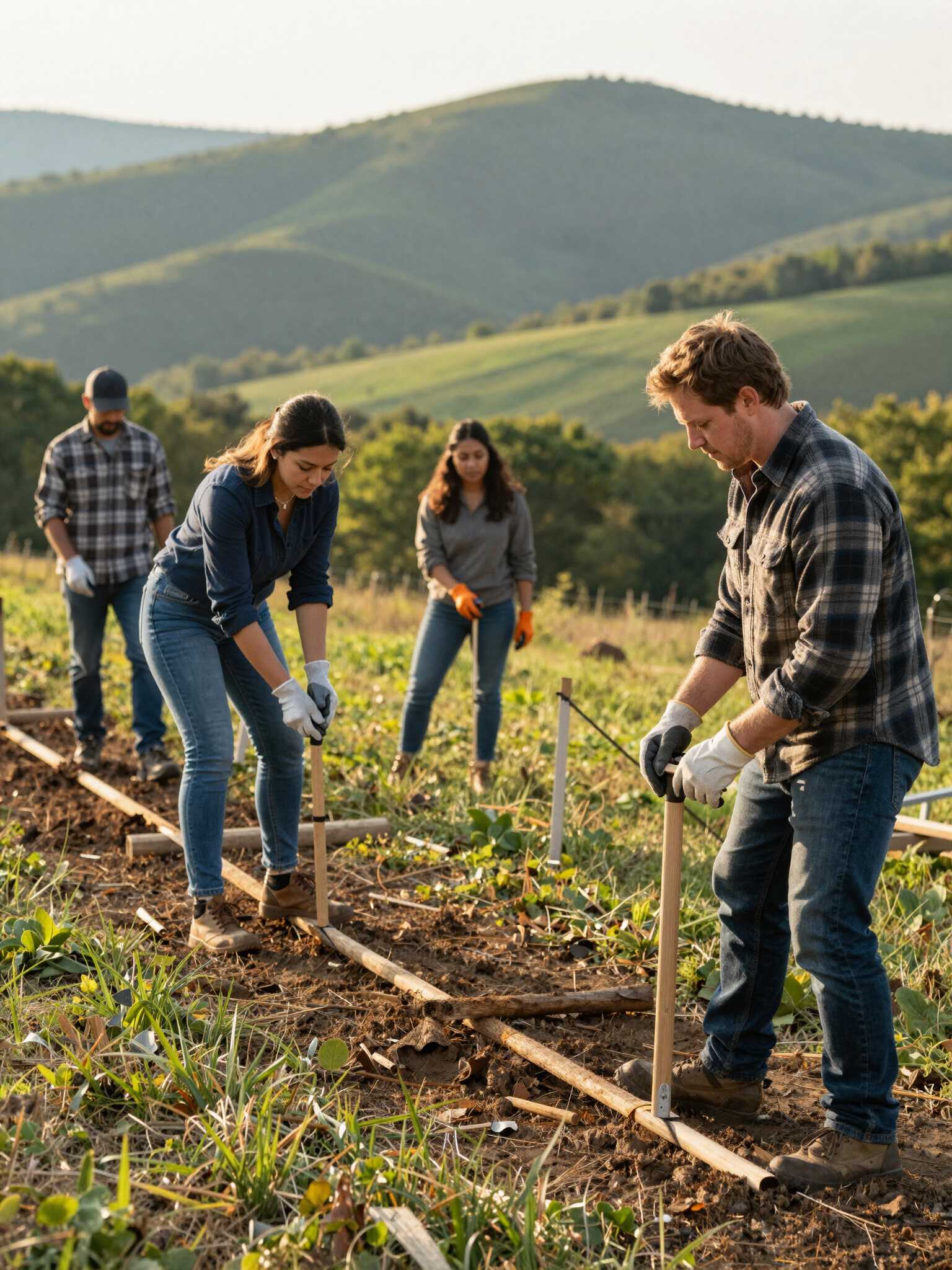
Many Hands. One Legacy.
Virginia's elk restoration reflects decades of cooperation among public agencies, conservation organizations, researchers, private landowners, volunteers, and local communities. Their collective commitment transformed a vision into one of the Commonwealth's greatest conservation success stories.
THE PARTNERS
The organizations featured in the following galleries each played a unique role in restoring elk to Virginia. Together, their expertise, resources, and dedication created a partnership that continues to protect and strengthen Virginia's wild heritage.

LEAD CONSERVATION AGENCY
VIRGINIA DEPARTMENT OF WILDLIFE RESOURCES
Formerly the Virginia Department of Game and Inland Fisheries
The Virginia Department of Wildlife Resources provided the leadership, scientific expertise, and long-term management necessary to restore elk to the Commonwealth. Working alongside conservation organizations, researchers, private landowners, and neighboring state agencies, the Department developed the restoration strategy, evaluated habitat, coordinated elk relocations, and continues to manage Virginia's growing elk population. Through ongoing research, population monitoring, habitat stewardship, and public engagement, the Department ensures that elk remain a thriving part of Virginia's natural heritage. The return of elk to Virginia stands as one of the agency's most significant wildlife restoration accomplishments.

Leading the Return
Wildlife professionals from the Virginia Department of Wildlife Resources planned, coordinated, and continue to manage Virginia's modern elk restoration program through science-based conservation and long-term stewardship.
Historical Photograph Courtesy of the Virginia Department of Wildlife Resources. Used with permission. Image documents the Department's leadership in Virginia's modern elk restoration program.
"Successful wildlife restoration is measured not only by the return of a species, but by the lasting commitment to protect it for future generations."

FOUNDING CONSERVATION PARTNER
ROCKY MOUNTAIN ELK FOUNDATION
The Rocky Mountain Elk Foundation brought decades of elk restoration experience to Virginia's conservation effort.In 1996, the Foundation funded the Virginia Elk Restoration Feasibility Study, providing the scientific foundation that helped determine whether elk could successfully return to the Commonwealth.Beyond financial support, the Foundation shared expertise gained through wildlife restoration projects across North America and worked alongside state agencies, researchers, and conservation partners to help restore one of Virginia's native species.The Foundation's commitment to habitat conservation and collaborative wildlife management continues to benefit elk and countless other wildlife species throughout North America.

Investing in a Vision
By funding the Virginia Elk Restoration Feasibility Study and sharing decades of restoration experience, the Rocky Mountain Elk Foundation helped transform the idea of returning elk to Virginia into a scientifically supported conservation initiative.
Historical Photograph Courtesy of the Rocky Mountain Elk Foundation or the Virginia Department of Wildlife Resources. Image used with permission to document the Foundation's role in Virginia's modern elk restoration program.
"Conservation succeeds when knowledge, resources, and partnerships come together in service of future generations."

SCIENTIFIC RESEARCH PARTNER
VIRGINIA TECH
Research That Helped Shape the Return
Before elk could return to Virginia, wildlife leaders needed to understand whether the Commonwealth could support a healthy and sustainable population.Virginia Tech researchers contributed the scientific analysis needed to examine that question. Their work evaluated habitat, land use, wildlife management considerations, and the long-term feasibility of restoring elk to Virginia.Conducted in cooperation with wildlife agencies and conservation partners, this research helped replace uncertainty with evidence and gave decision-makers a stronger foundation for future planning.Virginia Tech’s contribution demonstrated an essential principle of modern conservation: lasting restoration begins with careful research.
Science Before Restoration
Research associated with Virginia’s elk feasibility study examined whether the Commonwealth possessed the habitat, management capacity, and long-term conditions necessary to support a restored elk population. The findings helped guide the planning that followed.
Research document or archival material courtesy of Virginia Tech and the original contributing institution. Prepared as part of the scientific evaluation of elk restoration in Virginia.
QUESTIONS THE RESEARCH HELPED ANSWER
Was suitable habitat available?
Could elk coexist with existing land uses?
What management challenges would restoration create?
Could a free-ranging herd be sustained over time?
Research helped determine that restoration was possible. The next challenge was bringing the elk home.
WILDLIFE RELOCATION PARTNER
KENTUCKY DEPARTMENT OF FISH AND WILDLIFE RESOURCES
Restoring elk to Virginia required more than planning and preparation—it required healthy animals from an established herd.The Kentucky Department of Fish and Wildlife Resources became an indispensable partner by providing elk from Kentucky's successful restoration program for relocation to Virginia.Kentucky wildlife professionals also shared decades of experience in elk capture, transportation, release, and long-term herd management. Their knowledge helped ensure that Virginia's restoration effort began with healthy animals and proven conservation practices.This partnership demonstrated how neighboring states can work together to restore native wildlife across the Appalachian landscape.

Bringing the Elk Home
Elk relocated from Kentucky formed the foundation of Virginia's modern herd. The successful transfer reflected years of cooperation between wildlife professionals committed to restoring a native Appalachian species.
Historical Photograph Courtesy of the Kentucky Department of Fish and Wildlife Resources or the Virginia Department of Wildlife Resources. Photograph documenting the capture, relocation, or release of elk as part of Virginia's modern restoration program. Include the photographer's name and date whenever verified. Do not remove or obscure any attribution printed on the original photograph.
Healthy elk provided from Kentucky's established herd
Wildlife professionals worked together throughout the relocation process
Knowledge and experience were shared across state lines
The partnership helped restore elk to Virginia after more than 150 years.
A SHARED APPALACHIAN SUCCESS
Restoring wildlife requires more than healthy animals—it requires a place to call home.
LAND STEWARDSHIP PARTNERS
THE LANDOWNERS OF SOUTHWEST VIRGINIA
Stewards of Virginia's Elk Country
The return of elk to Virginia depended upon more than science and wildlife management. It required landscapes where elk could live, travel, and thrive.Across Southwest Virginia, private landowners became valued conservation partners by caring for forests, reclaimed mine lands, farms, and open spaces that now support Virginia's growing elk herd.Their willingness to work alongside wildlife professionals and conservation organizations demonstrated that lasting restoration is built on trust, cooperation, and a shared commitment to responsible land stewardship.Every successful conservation story is ultimately rooted in the people who care for the land.

A Place to Call Home
Healthy habitat on privately owned lands provides the space elk need to forage, travel, reproduce, and thrive. The stewardship of Southwest Virginia's landowners remains an essential part of the Commonwealth's conservation success.
Landscape Photograph Courtesy of the Virginia Department of Wildlife Resources, the Rocky Mountain Elk Foundation, or the original contributing photographer. Photograph used with permission to document elk habitat within Virginia's Elk Management Zone. Include photographer credit whenever available.
CONSERVATION BEGINS WITH THE LAND
Healthy forests support healthy wildlife.
Responsible land stewardship benefits entire ecosystems.
Partnerships between landowners and conservation professionals strengthen wildlife populations.
The future of Virginia's elk depends upon protecting and improving habitat for generations to come.
Protected wildlife needs protected places—and protected places begin with people who choose to care for the land.